Plate flanges play a vital role in the construction and maintenance of industrial systems. They are essential components for connecting pipes, valves, and other equipment, ensuring that systems operate efficiently and safely. This article explores the benefits of using plate flanges in industrial applications, highlighting their advantages and explaining why they are a preferred choice for many industries.
What Are Plate Flanges?
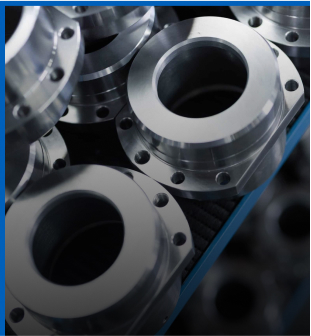
Plate flanges are flat, circular discs with a central hole and bolt holes around the perimeter. They are used to connect and seal sections of pipe or other equipment. Made from materials such as steel, stainless steel, or plastic, plate flanges come in various sizes and designs to meet different industrial requirements.
Key Benefits of Plate Flanges
1. Reliability and Strength
Plate flanges provide a strong and reliable connection between pipeline sections and equipment. Their robust design ensures that they can handle significant pressure and mechanical stress without failure.
Benefits:
- Durability: Long-lasting performance even under heavy loads.
- Consistent Operation: Reduces the risk of leaks and failures.
2. Ease of Installation
Plate flanges are designed for straightforward installation. Their bolt holes align with corresponding flanges, allowing for a secure connection with minimal effort.
Benefits:
- Quick Assembly: Saves time during installation.
- Simple Maintenance: Allows for easy disassembly and reassembly.
3. Versatility in Applications
Plate flanges are highly versatile and can be used in a variety of industrial applications. They are suitable for connecting pipes, valves, pumps, and other equipment across different industries.
Benefits:
- Wide Range of Uses: Applicable in water treatment, oil and gas, chemical processing, and more.
- Customizable: Can be tailored to specific project needs.
4. Leak Prevention
Properly installed plate flanges provide a secure, leak-proof connection. Their design and the use of appropriate gaskets ensure that fluids or gases remain contained within the system.
Benefits:
- Safety: Minimizes the risk of hazardous leaks.
- Efficiency: Prevents loss of fluids or gases, maintaining system performance.
5. Cost-Effectiveness
Plate flanges are often a cost-effective solution for piping connections. Their durability and ease of maintenance reduce the need for frequent replacements and repairs.
Benefits:
- Reduced Downtime: Lower maintenance and replacement costs.
- Economical Choice: Offers a balance of performance and cost.
6. Compatibility with Various Materials
Plate flanges are compatible with a range of materials, including carbon steel, stainless steel, and plastic. This flexibility allows them to be used in different environments and applications.
Benefits:
- Adaptability: Suitable for various industrial settings.
- Material Options: Allows for selection based on specific needs and conditions.
7. Improved System Integrity
Using plate flanges enhances the overall integrity of the piping system. Their secure connections contribute to the stability and reliability of the system, ensuring consistent performance.
Benefits:
- Structural Stability: Supports the overall strength of the system.
- Operational Reliability: Ensures continuous and effective operation.
Applications of Plate Flanges
1. Water Treatment Facilities
Plate flanges are used to connect pipes and equipment in water treatment plants, ensuring a secure and leak-proof system for managing water flow.
2. Oil and Gas Industry
In the oil and gas industry, plate flanges connect pipelines and equipment, handling the transport of oil, gas, and other materials under high pressure.
3. Chemical Processing
Plate flanges are crucial in chemical processing plants, providing secure connections for handling aggressive chemicals and high temperatures.
4. HVAC Systems
In HVAC systems, plate flanges connect components such as ducts and valves, supporting efficient heating, ventilation, and air conditioning.
FAQs
1. What are the primary benefits of using plate flanges in industrial applications?
- Plate flanges offer reliability, strength, ease of installation, leak prevention, cost-effectiveness, and versatility.
2. How do plate flanges prevent leaks?
- Plate flanges use gaskets and a secure bolting system to create a leak-proof connection, containing fluids or gases within the system.
3. Are plate flanges suitable for high-pressure systems?
- Yes, plate flanges can be used in high-pressure systems, especially when designed and installed correctly with appropriate materials.
4. What materials are commonly used for plate flanges?
- Common materials include carbon steel, stainless steel, and plastic, each suitable for different applications and conditions.
5. How does the installation of plate flanges impact maintenance?
- Plate flanges are designed for easy installation and maintenance, allowing for quick disassembly and reassembly as needed.
6. In which industries are plate flanges commonly used?
- Plate flanges are used in industries such as water treatment, oil and gas, chemical processing, and HVAC systems.
7. What factors should be considered when choosing a plate flange?
- Consider the pressure, temperature, material compatibility, and specific application requirements when selecting a plate flange.
8. How can plate flanges improve system efficiency?
- By providing secure and leak-proof connections, plate flanges ensure consistent operation and prevent loss of fluids or gases.
9. What are the cost benefits of using plate flanges?
- Plate flanges offer a cost-effective solution with lower maintenance and replacement costs, reducing overall system expenses.
10. Where can I find high-quality plate flanges for my industrial needs?
- Explore a range of high-quality plate flanges at API Flanges.
Conclusion
Plate flanges offer numerous benefits in industrial applications, including reliability, ease of installation, and cost-effectiveness. Their versatility and ability to provide secure, leak-proof connections make them an essential component in many systems. For more information or to explore our range of plate flanges, visit Texas flanges.